 It takes real effort at times to separate the truly interesting content on line from the truly benign. One of my favourite sites to visit is the Boston Globe’s Big Picture Gallery where I am often rewarded by truly great images collected from sources from all points of the earth. This gallery strikes a chord, it’s called Pedal Power and it is a collection of images of bikes and the people who ride them. Two of my favourite things together, cycling and great photography. Have a look. And have another look next week when a new gallery arrives. I am especially partial to #43, Go Ryder!!
Pedal Power Big Picture Gallery
Whistler Jump Park
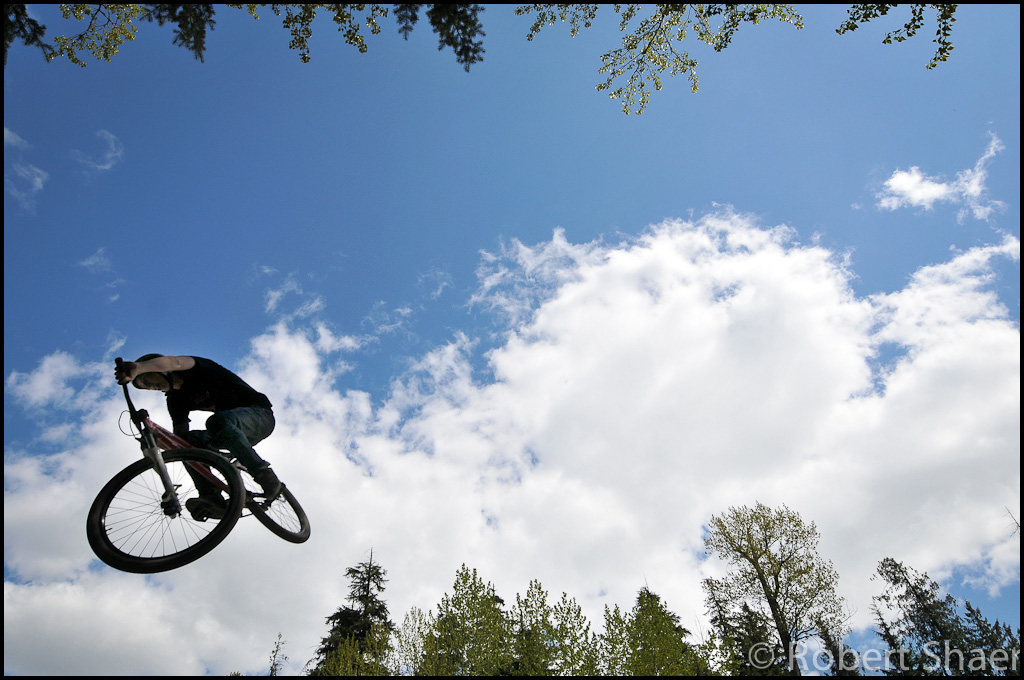
Turning the camera is good advice. Advice that was often heard in the halls and classrooms of the Photojournalism program I completed ten years ago. Wow, ten years. There has been a lot of mileage racked up in that time and a lot of turning of cameras. Perhaps there is no coincidence that within a year of graduating I was shooting 360 degree panoramic images for hospitality and tourism clients, and in traveling the globe for a lot of that work, the world continued to turn under me. Somehow I don’t think my instructors meant their advice so literally. It was also a huge turn from working at a newspaper and though I no longer do that kind of work there are days when I miss both experiences; telling stories and capturing moments to be shared on newsprint and looked at by perhaps hundreds of thousands of readers and producing images capturing elements of style, design and far off places of luxury.
If you’ve been looking at my photos, or have looked through a few of my galleries, you may have already guessed that I have a strong interest in cycling, it goes back to childhood. One of the lessons that wasn’t taught when I was at school was that it wasn’t enough to be interested in photography alone. Photographers need to be interested and curious about the world they live in whether surrounded by family, food, design, heartbreak or even cycling. Start by photographing what you love and what you are passionate about and let the rest unfold. If you don’t like what you see try changing your perspective, try turning your camera. I shot this image in Whistler, BC on a sunny Saturday in May, and to capture this frame I had to take that advice from so many years ago. I turned the camera. In this case I turned it straight up.
Link: Lucie & Simon Silent World
Though Lucie & Simon hardly need me to share their work, in my quest to rediscover what inspires me about photography their short film ‘Silent World’ stirred my curiosity. Years ago I read Alan Weisman’s truly fantastic ‘The World Without Us’ and it left an indelible impression of the crumbling artifacts of human ingenuity and hubris once humans were removed from the equation. There is a similar spirit in ‘Silent World’. Without getting into the what, why and how of ‘Silent World’, what struck me was seeing streets, many I have walked myself, so familiar in appearance, but so totally different in experience.
What happens when you largely remove human beings from the human world, when you remove man from what is man made? Has the scale of our cities become inhuman and is it possible to illustrate that with a camera? What I find most remarkable about “Silent World’ is the disconnect between appearance and experience. Having walked through Paris and New York I recognize these streets, intersections, buildings and landmarks but my experience is remembered as being elbow to elbow wrapped in a cacophonous blanket of noise. Appearance or Experience; what makes a city what it is? This is New York but it is also clearly not the New York that any of us know, and this is the magic of photography.
Check out ‘Silent World’ on Vimeo Here:
Check out more of Lucie & Simon’s work here:
Personal Work – The Portrait Project: Christopher
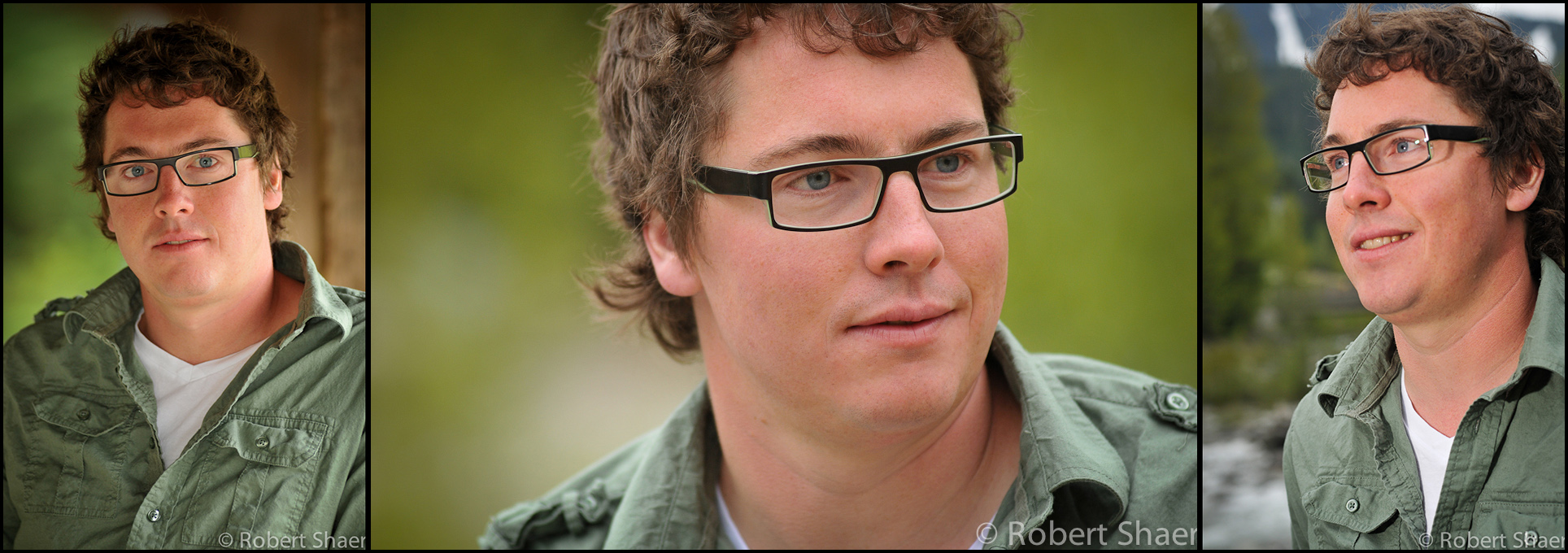
So far this personal work, The Portrait Project, has already proved to be a learning experience. While I am still working on the parameters that will guide this work over the next few years, or it’s duration, I am trying new ways of presenting work both here and on my Facebook page. Years ago while I was an intern at a daily paper in Washington state, an item in the entertainment section popped out at me, it was a quote from actor Edward Norton in which he suggested that as a photographer I can do what I do in my room, but as an actor he required an audience. In no way am I comparing myself to Norton but in truth I haven’t thought as highly of him since. Photographers make images to be seen and shared and spoke about, debated and critiqued beyond measure and praised beyond reason. Photographers seek to share the world. We have forgotten that before the internet the way we imagined the world was informed by photographers and writers traveling and reporting back what they saw and experienced. What if Mark Twain had never left his room, or Steve McCurry had never left his? Could McCurry’s elegant Afghan Girl have been shot in a studio? Would the image and story be as iconic had it not been seen on the cover of National Geographic or through the thousands of times it’s been reprinted or the story retold since it was shot in 1984?
I am not McCurry, Norton or Twain, but these ideas inform my approach to sharing the work that I do. I have been giving some pretty serious thought to keeping everything but “snap shots” from Facebook but in the last few weeks, after posting images from shoots with subjects self conscious about their image, the feedback has been fantastic. As a portrait subject it feels great to hear from your friends and family how great you look, or how much you are missed. So this is the learning process and I will keep posting work to Facebook to share my experiences and I will work to find a template to continue posting here. Photography is meant to be seen and if you can bear with me, I will show you as much as I can. My shoot with Christopher started over coffee pretty early for a Sunday morning in Whistler in the shoulder season. It turns out, surprise or not, early mornings are something that photographers and event managers have in common. Do you like the way I have presented these three images? If so, let me know.
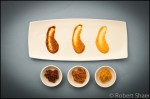
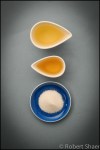
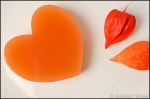
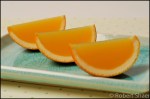
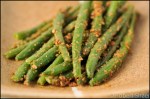
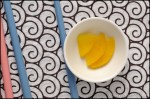
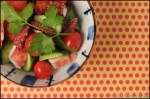
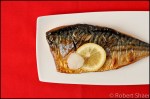
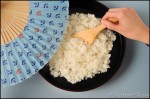
Hana Dethlefsen’s Japanese Home Cooking (24 Images)














Link: Ian Ruhter Silver & Light
Photographer Ian Ruther’s Video Silver & Light came up in my Facebook feed a few weeks ago and I was deeply amazed by what I saw. Silver & Light showed up at a time when I was lost in thought about the value of digital photography. In truth nearly every frame I have shot professionally has been shot with a digital camera and saved to a hard drive as a collection of ones and zeros, not a strip of negatives or a slide slipped into a sleeve, into a binder and onto a shelf. I still have a loupe and a collection of cameras which will shoot film if I can find the time to make that happen. Recently I loaded a nearly new, yet ten year old Nikon F100 with a roll of Tri-X with the intention of shooting some portraits. I will get around to this but it seems like one of those things on the get around to it list like hanging a head board, fixing the drawer in the kitchen and shampooing the engine bay of the car I drive. I would like to shoot film, I would like to do it with some regularity before I loose the option, I would like to shoot 36 frames each one deliberate and considered knowing each frame shot to test light or composition is one less that will count in the take.
Silver & Light is a reminder that there was once something magical about photography and the way chemistry, metal, glass and light conspired together to capture the reflected light of our world. Ruther is not a throwback, but rather a Historian practicing Alchemy to preserve a medium and reframe how we see photography. I often wonder if modern photography has become too much about the technology and too little about the methodology, that it has become too easy, too cheap. I just listened to a BBC Podcast in which UK Photojournalist Nick Danziger suggested that limiting digital devices, iPhones, iPads, Mobile Phones to one photograph a day could make the world a more interesting and captivating place. I think Ian Ruther’s work is a perfect embodiment of Danziger’s idea.
Watch the video:
Personal Work – The Portrait Project: Samantha & Alex
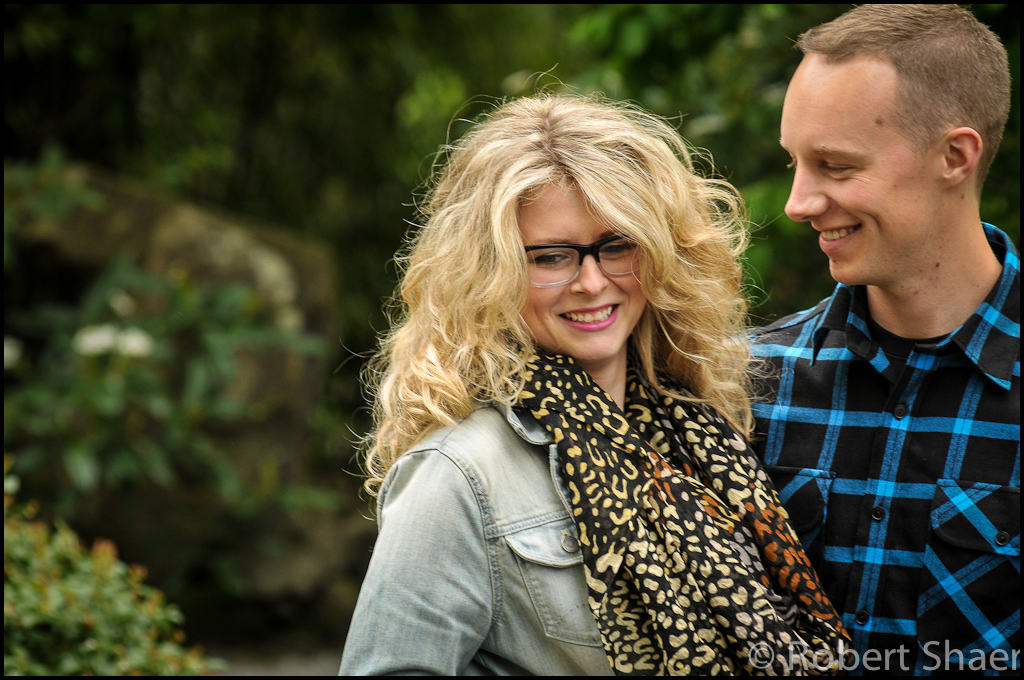
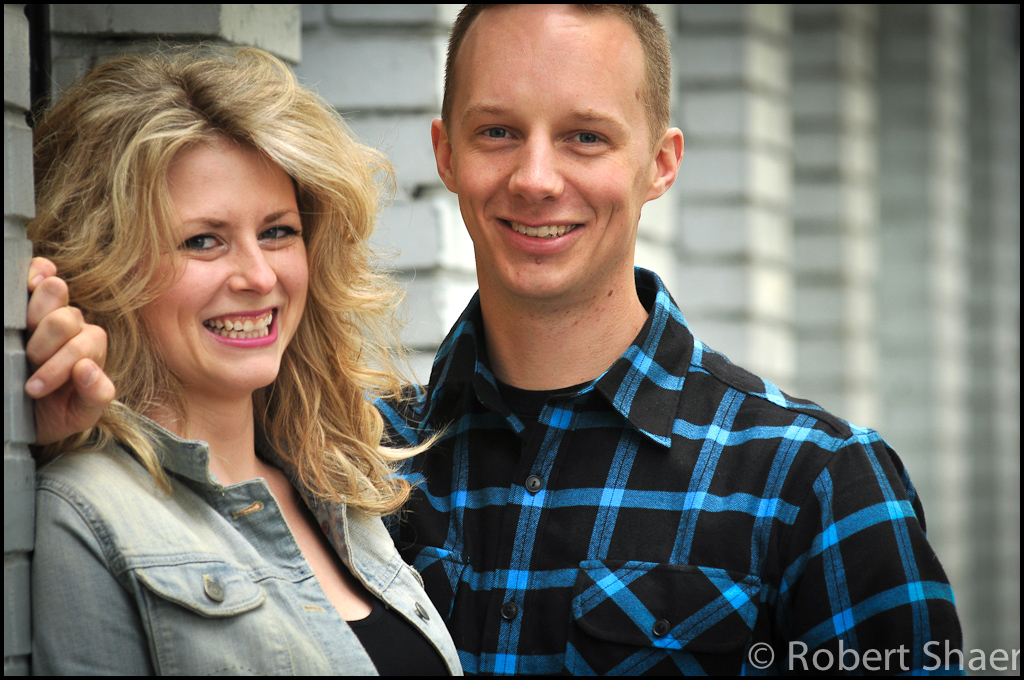
It has been a busy week. Last weekend I spent Saturday afternoon with Sam and Alex followed by an early morning in Stanely Park shooting a running event and the week fell away from me from that point on; I know it was a little over a week ago that these images were made, but it feels like a month. A week later I am coming off another busy weekend having shot and edited images of a press conference for The University of British Columbia Midwifery Program with my photos turning up on UBC & BC Government websites and a cycling event in Coquitlam which raised nearly $100,000 for the local Hospital Foundation. These past two weekends were book ends to a week filled with much thought and conversation about photography, personal projects and reasonable rates to charge new clients. This personal work, these pictures of Sam & Alex and the others before them, is a way for me to investigate and explore the relationship between subject and photographer and how I want to approach portraiture in the future. It is a definitely a process to learn when to direct and when to observe and I have always been stronger at observation than direction. It was great to see my friends warm to having a camera present, from an initial unease, to something more relaxed and comfortable.
I am on the lookout for subjects in the Vancouver area, let me know if you’d like to be part of my personal project.
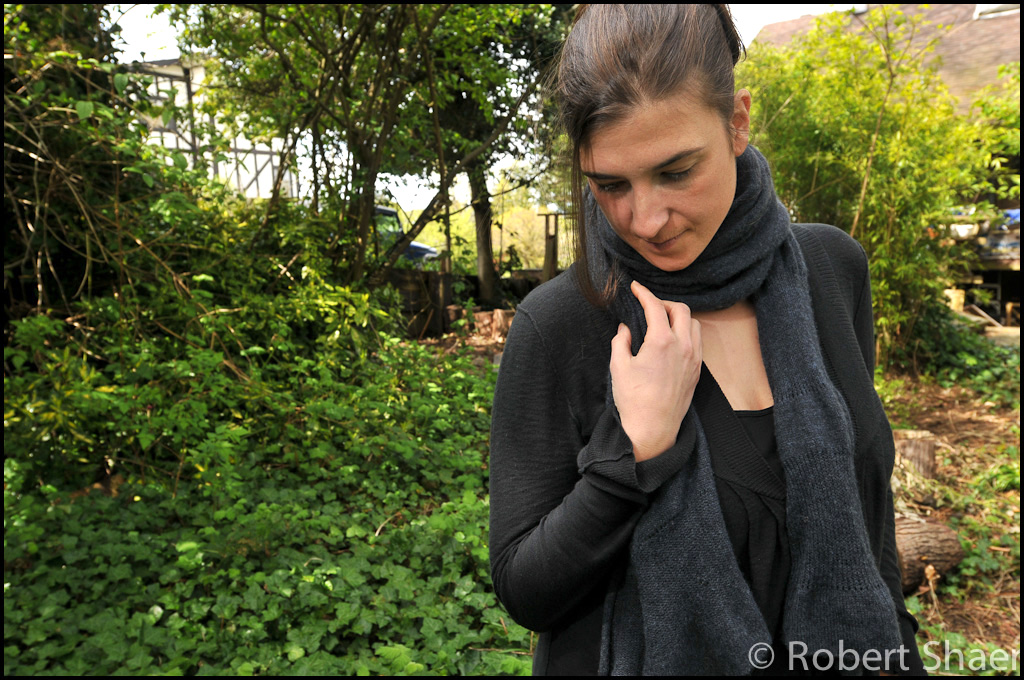
Personal Work – The Portrait Project: Jennifer
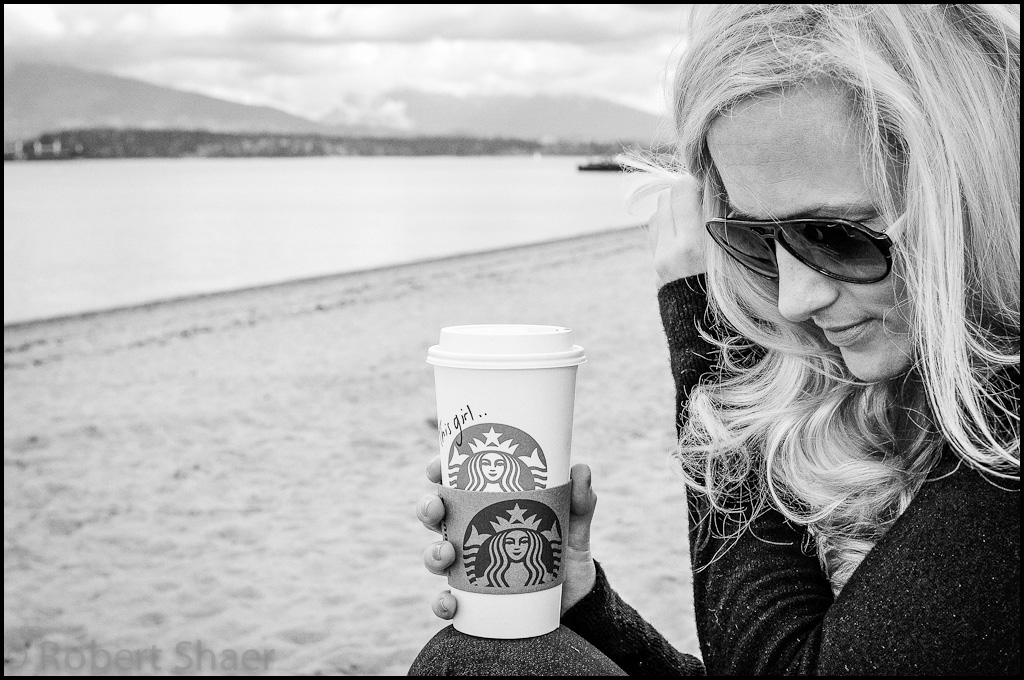
In looking at Portraiture, I want the image to read like a movie trailer, or the descriptive blurb on the back of a novel. My best ambition for any portrait I make is the suggestion of a story, something to make the viewer believe that there is something going on beyond the colour, composition or technical exercise of making a photograph; it is the reveal that there is more to the subject than just what the eye sees. I have shot dozens and dozens portraits for newspaper clients, and more often than not, those images were illustrations of written stories. I have been approaching these images with greater deliberation. Locarno Beach may be a cliche place to take a picture, but when asked for a place that had meaning for her, it was Jennifer’s first thought. I believe the places that have meaning for us are an important part of our story and their inclusion in the process contributes to the reveal.
If you are in Vancouver, or in the area, I’d love to hear your story and make your portrait.
Personal Work – The Portrait Project: Saskia
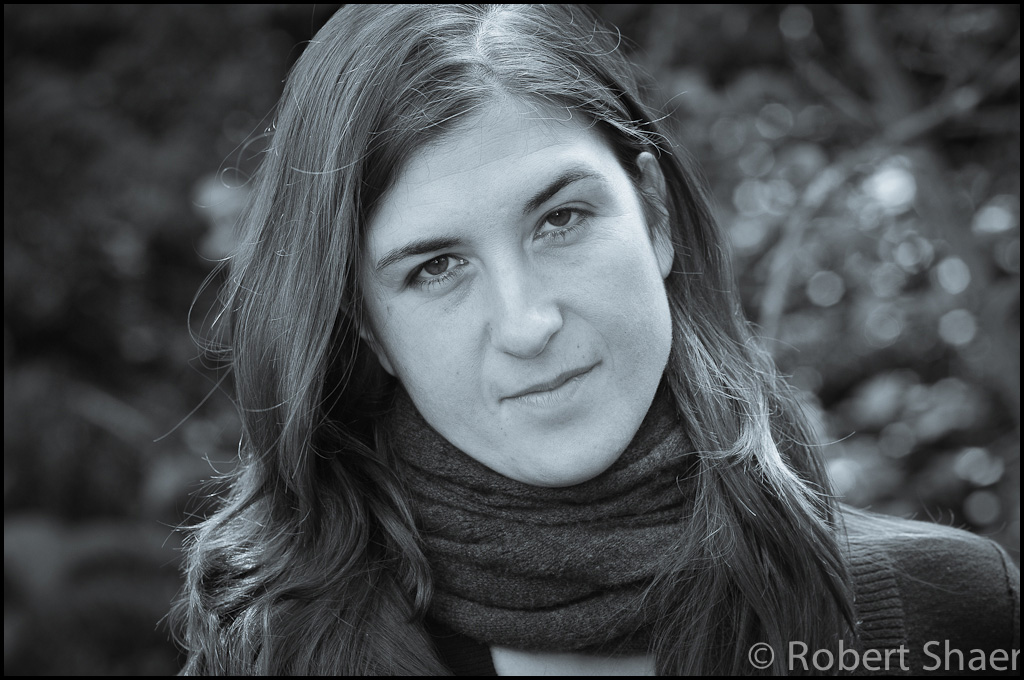
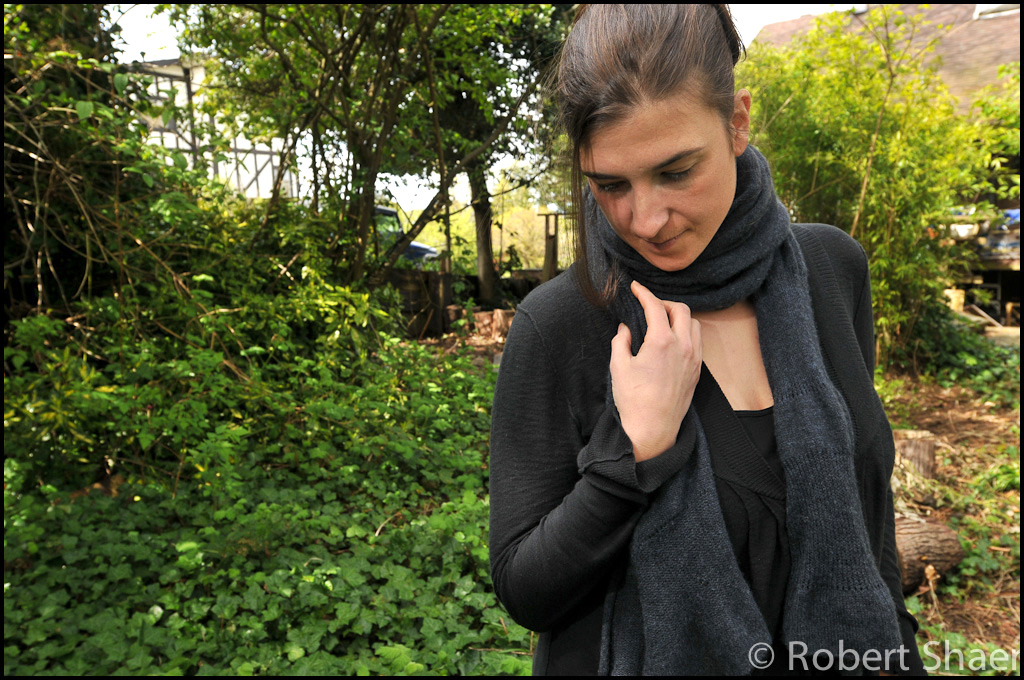
I am returning to some Personal Work that had a false start a few years ago. Until I can decided the on the project’s specific goals or parameters the working title remains The Portrait Project, ok, so not that original or creative, but I’ve always felt that portraiture has been my weak point and something that I need to develop. Yesterday I connected with an old friend, classmate and neighbour, Saskia, and we shot several frames in the back garden of her mother’s house while we spoke about the complexities of photography, returning ‘home’ to Vancouver and the finer points of preparing Sushi. My ambition with this long term work is to both develop my skills, but also to create a volume of stories.
Today’s Archive Image
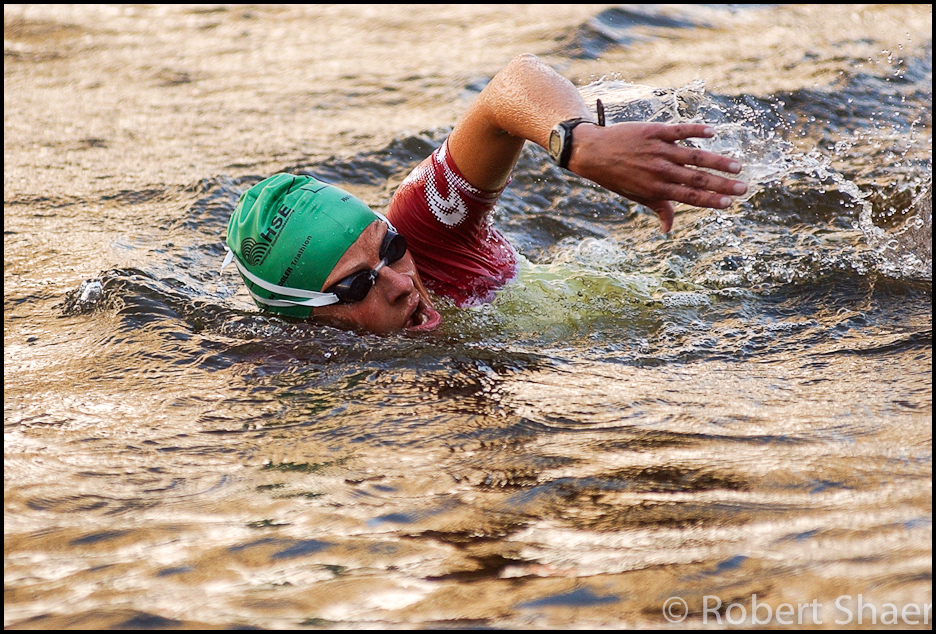
Between 2003-2007 I had the chance to travel through Europe a number of times for work; I liked to imagine that it was my “Backpack Through Europe” experience, but not really. I was there for work, and my nights in 4 & 5 Star hotels way out numbered my nights spent in hostels, and it didn’t hurt that I had an expense account to draw from. I spent nearly a week in Hamburg in September of ’04 and loved almost every minute of it. It was my first time in Germany and I was sold! On one of my few days off, a world cup Triathlon event took over Lake Alster, in the very center of Hamburg and I hung around to make some images.
 Elysium Photo by Rob Shaer